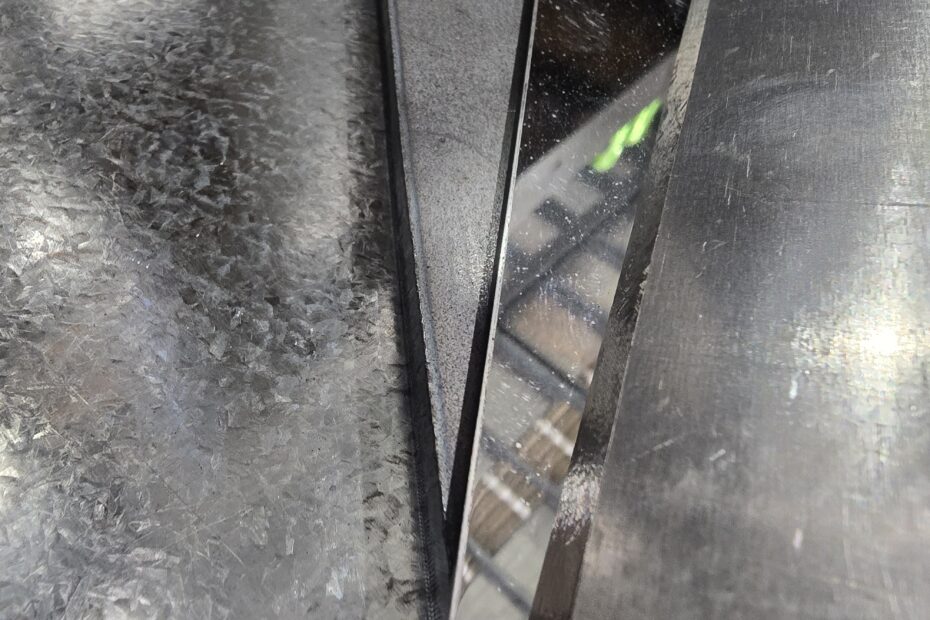
When planning a fabrication project, selecting the right material is one of the most important decisions you will make. Whether you’re creating a retail fit-out, architectural feature, commercial kitchen, structural framework, or decorative installation, the material chosen will directly impact the appearance, durability, maintenance requirements, and overall lifespan of the finished product.
One of the most common mistakes people make is selecting a material based solely on appearance. While aesthetics are certainly important, the first question should never be, “Which material looks best?” Instead, it should be, “What environment will this material be exposed to?” Understanding how and where a product will be used is critical to ensuring it performs as intended for years to come.
Environmental factors such as weather exposure, moisture, salt air, UV radiation, cleaning requirements, and the amount of daily traffic or wear a surface will experience should all be considered during the design stage. A material that performs exceptionally well indoors may not be suitable for outdoor use, while a finish that looks stunning on day one may require ongoing maintenance to retain its appearance.
Stainless Steel
Stainless steel remains one of the most versatile and popular materials used throughout the fabrication industry. Known for its excellent corrosion resistance, hygienic properties, and clean modern appearance, stainless steel is commonly used in commercial kitchens, healthcare facilities, hospitality venues, retail environments, and outdoor applications.
Its ability to withstand moisture and frequent cleaning makes it ideal for environments where cleanliness and durability are essential. Stainless steel also requires relatively little maintenance, making it a cost-effective long-term solution for many commercial and industrial projects. From benchtops and handrails to custom architectural features and food preparation areas, stainless steel offers both practicality and visual appeal.
Brass
Brass has experienced a significant resurgence in recent years, particularly within luxury retail, hospitality, and high-end commercial fit-outs. Its warm tones and premium appearance make it an attractive choice for decorative applications where creating a sophisticated aesthetic is important.
One of the unique characteristics of brass is its ability to develop a natural patina over time. This ageing process creates depth and character, allowing the material to evolve naturally as it matures. For projects where a polished appearance is preferred, brass can also be clear-coated to help preserve its original finish. Whether incorporated into shelving, feature screens, bar fronts, signage, or decorative trims, brass offers a timeless elegance that few materials can match.
Copper
Copper is often selected when a project requires something truly distinctive. Its rich colour, natural warmth, and ability to develop striking patinas make it a popular choice for feature installations and decorative architectural elements.
Beyond its visual appeal, copper also possesses natural antimicrobial properties, making it particularly suitable for certain healthcare and hospitality applications. Over time, copper develops a unique surface character that can range from deep browns through to blue-green patinas depending on environmental conditions. For designers looking to create a statement piece that continues to evolve over time, copper provides a unique combination of functionality and beauty.
Aluminium
Aluminium is an excellent choice when strength is required without excessive weight. Its lightweight nature makes it particularly useful for signage, feature structures, architectural elements, transportable components, and outdoor installations.
In addition to being highly corrosion resistant, aluminium is easy to fabricate and can be powder coated in virtually any colour to suit a project’s design requirements. Because it weighs significantly less than steel, aluminium can often reduce installation costs and simplify transportation logistics. This makes it a practical option for projects where weight limitations or ease of installation are key considerations.
Mild Steel
Mild steel continues to be one of the most widely used materials throughout the fabrication and construction industries. Its versatility, strength, and cost-effectiveness make it suitable for an enormous range of applications, from structural frameworks and architectural features to custom furniture, retail fit-outs, handrails, and industrial equipment.
One of mild steel’s greatest advantages is its adaptability. It can be cut, folded, welded, and finished in numerous ways to suit both functional and aesthetic requirements. While it does require protective finishes such as galvanising, powder coating, or painting when exposed to the elements, it remains one of the most economical and reliable material choices available.
Every project presents its own unique challenges, and there is rarely a one-size-fits-all solution when it comes to material selection. Factors such as budget, appearance, durability, maintenance requirements, environmental exposure, and intended use all play a role in determining the most suitable material.
At Coded Welding & Fabrications, we work closely with architects, builders, designers, project managers, and business owners to ensure the right material is selected from the outset. By considering both the practical and aesthetic requirements of a project, we help deliver fabricated solutions that not only look exceptional but continue performing long after installation.
If you’re unsure which material is best suited to your next project, our team can provide expert advice based on your specific application, helping you achieve the best possible outcome from concept through to completion.